

The beautiful game is on the cusp of another evolution. As the football world gears up for the next World Cup, the International Football Association Board (IFAB) has announced a series of significant rule changes that promise to alter the pace, strategy, and fairness of the sport. From a stricter interpretation of injury time to an expanded role for Video Assistant Referees (VAR), these adjustments have sparked intense debate among players, managers, and fans alike. Are we about to witness a cleaner, more dynamic version of football, or are we risking the very soul of the game with excessive technological interference? Let’s break down the key alterations and what they mean for the future of the sport.
The “Effective Playing Time” Revolution
One of the most controversial shifts is the new mandate regarding time-wasting. The directive is simple but its implementation is complex: referees are now instructed to add on every single second lost to goal celebrations, substitutions, injuries, and VAR checks without mercy. This is an aggressive push to increase “effective playing time.”
The End of the 90-Minute Game?
Mark Thompson, a former Premier League referee and current rules analyst for Mcw, explains the logic: “The average ball-in-play time in a top-tier match has hovered around 55 to 58 minutes for years. That’s a disservice to the paying fan. The new rule is designed to force teams to actually play for a full 90, or more likely, 100 minutes.”
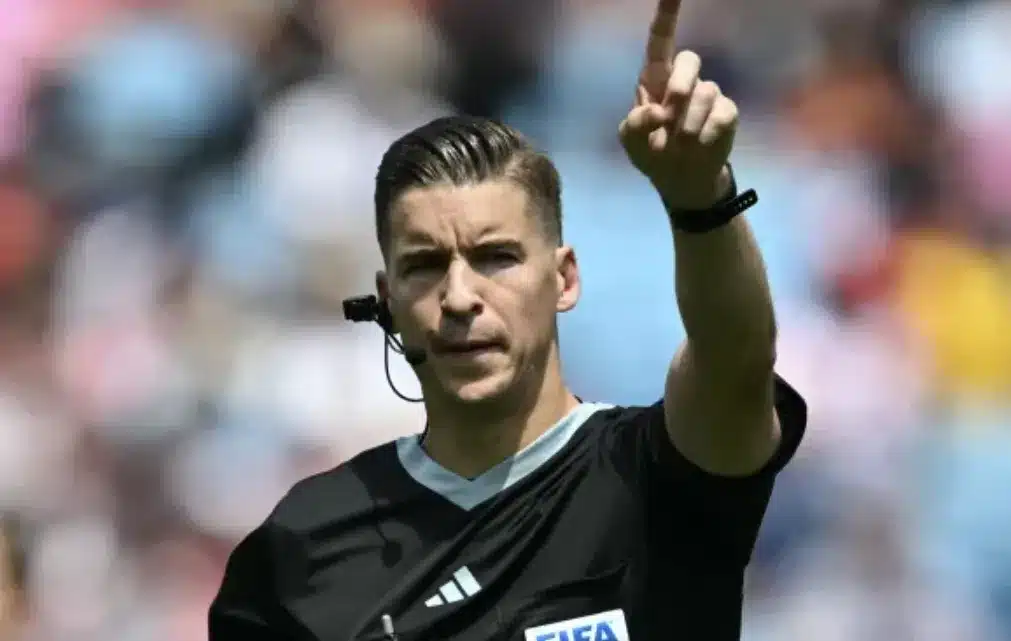
This means we could see matches regularly stretching past the 100-minute mark. In the past, a 90+5 minute board might have signaled a dramatic finish; now, it could become the new normal. For teams like Atletico Madrid or Burnley (historically), who rely on game management and breaking up play, this is a tactical nightmare. For fans of attacking football, it is a huge win.
VAR 2.0: More Eyes, Less Controversy?
The other massive change is the expansion of the VAR remit. The system that was introduced to correct “clear and obvious errors” is now being given more tools—and more responsibility. This includes a semi-automated offside system that is faster than current technology, and crucially, the introduction of “VAR Communication.”
What is VAR Communication?
For the first time, referees will announce the final decision of a VAR review to the crowd inside the stadium through a public address system. This is a direct response to the criticism that VAR is too opaque and ruins the spontaneous joy of a goal.
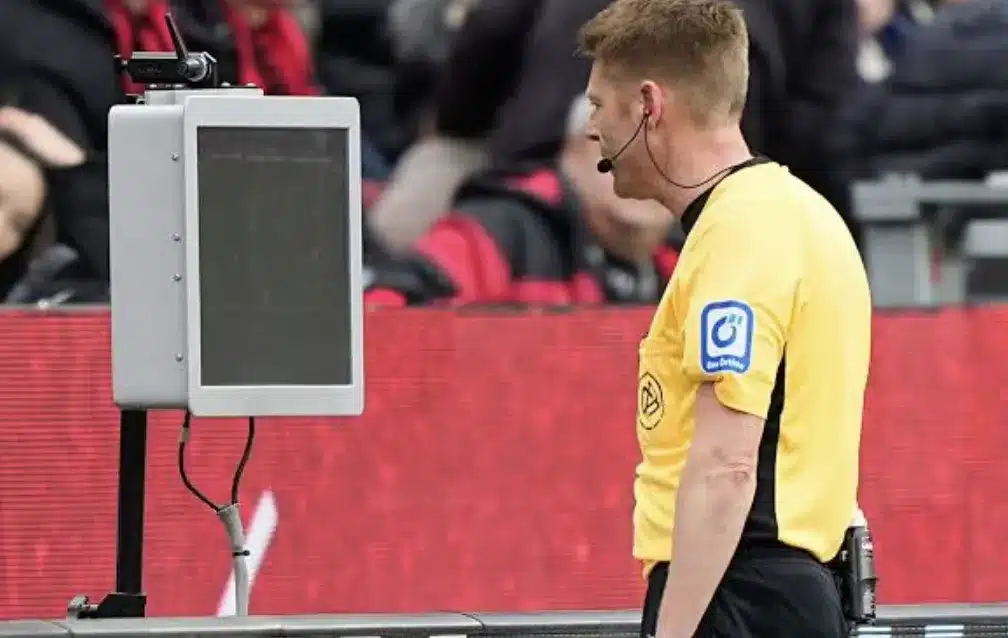
“I’ve been covering the evolution of technology in sports for years,” says Mcw football expert Sarah Jenkins. “The biggest complaint from fans is the “zombie” atmosphere in stadiums where no one dares to celebrate. By explaining the decision live—’Penalty, penalty, handball by number 5’—the authorities hope to re-engage the crowd. It creates a moment of collective understanding, turning confusion into drama.”
This “on-field announcement” model has been tested in women’s competitions and club tournaments with relative success. It humanizes the process and forces accountability, making the referee’s job more transparent, albeit under immense pressure.
Impact on World Cup Strategy
How will these changes affect the tactical landscape of the World Cup?
High Press and Athletic Demands
With matches lasting longer and time-wasting punished, the physical demands on players will skyrocket. Teams relying on a “park the bus” strategy will find it harder to hold a 1-0 lead for 100 minutes. We can expect an increased emphasis on high-octane pressing systems and deep, versatile benches. The ability to run for 12+ kilometers and maintain intensity will be a premium asset.
The End of the “Small Team” Advantage?
Historically, smaller nations could frustrate giants by wasting time, slowing the game down, and using set-pieces to grab a point. The new rules diminish this advantage. The “effective time” rule means you have to defend for longer, and the faster VAR offside calls mean that defensive lines can be caught out more easily. The playing field is being leveled, but the new level is tilted towards technical ability and stamina, not cunning gamesmanship.
Looking Ahead: The Fan Experience
The ultimate test of these rule changes will be the fan experience. Are they making football better to watch?
Proponents argue:
- More football:Less time watching players roll on the ground or goalkeepers delaying a goal kick means more action.
- Fairness:Technology that works quickly and transparently leads to correct decisions.
- Drama:Longer matches with clear communication create a unique, immersive narrative.
Detractors argue:
- Destruction of rhythm:Constant interruptions for VAR reviews, even if announced, break the sport’s natural flow.
- Fatigue:100+ minute matches could lead to sloppy play and increased injury risk.
- Loss of spontaneity:Knowing a goal will be “checked” delays the pure emotion of scoring.
Head coach of Inter Milan and former player, Marco Rossi, summed it up in a recent press conference: “We are paid to adapt. The best teams will adjust quicker. But let’s be clear: this will change how we train. We are not training for 90 minutes anymore. We are training for 105. It’s a new game.”
The World Cup on the horizon is set to be a fascinating laboratory for these experiments. While the core of the game remains unchanged—eleven players, a ball, a goal—the framework around it is shifting drastically. The “world cup” format often highlights the best of human athleticism, and with these rule changes, it will also highlight the best of human strategy and technological integration.
Conclusion: A New Era for Football
The road to the World Cup is paved with new rules that aim to deliver a faster, fairer, and more transparent game. While the idea of more VAR and 100-minute matches may initially seem daunting to purists, the changes are a clear response to modern demands. The key is implementation. If the referees can use these tools with the speed and transparency promised, we may be on the brink of a golden era of football that prioritizes skill over simulation.
What do you make of these changes? Are you excited for a world with longer matches and clearer decisions, or do you think football is over-complicating itself? Leave a comment below sharing your thoughts, and don’t forget to share this article with your fellow football fanatics. Explore more analysis and breaking news on Mcw to stay ahead of the game.
