

In recent weeks, a wave of speculation has swept through the footballing world regarding potential changes to the corner kick laws. Fans and analysts alike have been buzzing about whether FIFA and IFAB (International Football Association Board) were preparing to overhaul one of the game’s most fundamental set-pieces. However, the reality is far less dramatic, and the official word from football’s governing bodies has put those rumors to rest. Let’s break down what was actually discussed, clarify the confusion around player conduct, and explore what this means for the future of the beautiful game.
The Rumor That Sparked the Debate
It all started with a social media post that went viral, suggesting that FIFA was planning to eliminate the traditional corner kick entirely or fundamentally alter how it is taken. Claimed to be a response to increasingly aggressive defending and time-wasting tactics, the rumor suggested that corners would be replaced with a different form of restart, perhaps akin to a free kick with defensive walls banned. Naturally, this sparked intense debate among fans, pundits, and even current players.
The rumor gained traction because it tapped into a genuine concern within the game: the physicality and sometimes dangerous conduct in the penalty area during corner kicks. From shirt-pulling to grappling and pushing, the penalty box can often look more like a wrestling match than a football set-piece. Many believed that IFAB was finally stepping in to prioritize player safety by rewriting the rules.
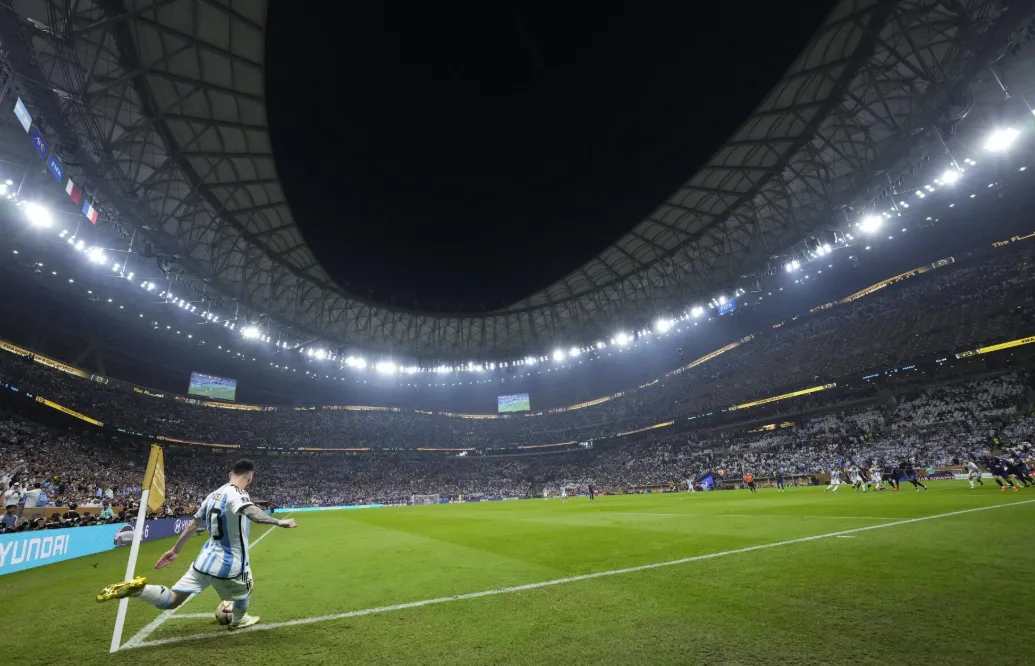
IFAB’s Official Response: No Change to Corner Kick Laws
The governing bodies quickly moved to dismiss these claims. In a clear and concise statement, FIFA confirmed that they have no intention of changing the corner kick laws. IFAB, the body responsible for the Laws of the Game, echoed this sentiment, stating emphatically that player conduct around corner kicks is not getting worse than in previous decades.
An IFAB spokesperson explained that while the game evolves, the fundamental structure of the corner kick remains sound. The laws already provide referees with sufficient tools to manage any misconduct. The issue, they argue, is not the law itself but the consistent application of existing rules. If referees properly penalize holding, pushing, and other illegal acts inside the box, the perceived “crisis” of dangerous corners would largely disappear.
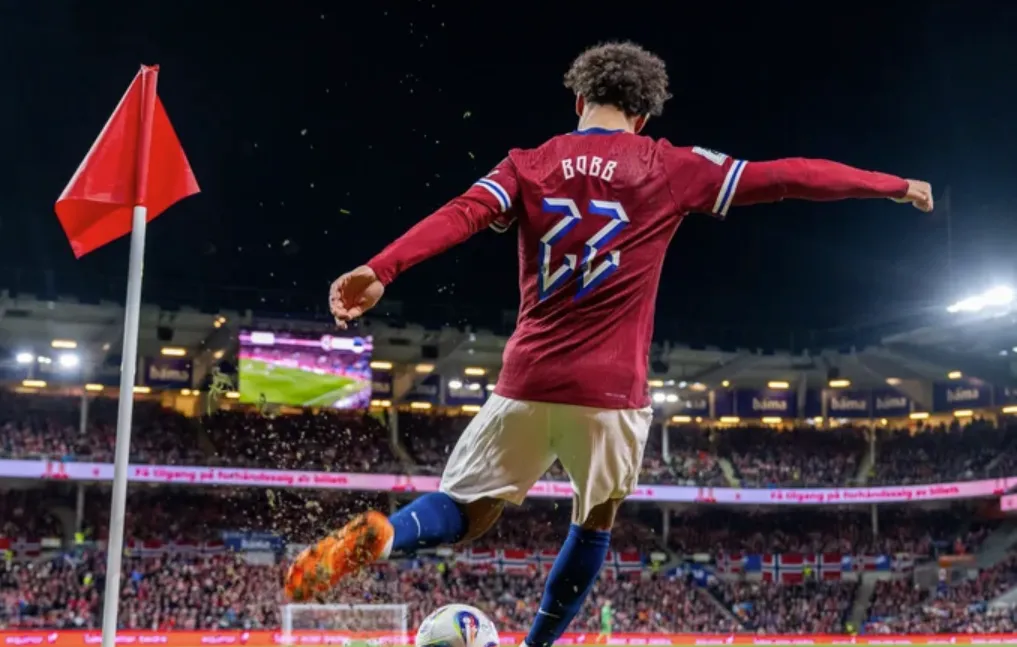
What About Player Conduct?
This is the core of the misunderstanding. While IFAB acknowledges that physical contact in the box is a constant challenge, their data and analysis suggest that the level of foul play is not escalating into dangerous territory. In fact, statistics show that the vast majority of corner kicks are taken without incident. The problem is more about perception and the occasional high-profile incident rather than a league-wide epidemic.
IFAB emphasizes that their focus is on consistency of officiating. Rather than changing the shape of the ball or the placement of the kick, they are working with referee associations worldwide to ensure that the existing laws are enforced uniformly. This includes stricter monitoring of holding and blocking during set-pieces.
Why the Confusion? The Difference Between “Conduct” and “Laws”
A major source of confusion came from a misinterpretation of IFAB’s own discussions about player conduct. IFAB frequently reviews match data and discusses trends in the game. It appears that internal discussions about enforcing existing conduct laws were misconstrued as a plan to change the corner kick laws themselves.
It is important to understand the distinction:
- Player Conduct: How players behave within the framework of the existing laws (e.g., holding, pushing, simulation).
- Laws of the Game: The actual rules (e.g., how a corner kick is taken, where the ball must be placed).
IFAB has no current plans to alter Law 17, which governs corner kicks. The ball will remain in the arc, the kicker will have one touch, and the wall of defenders will remain two yards away. The focus remains on the conduct of players within those laws.
Expert Analysis: A “Solution Without a Problem”
We spoke with former Premier League referee, James Harding, who has consulted with FA training programs. Harding offered a sharp critique of the rumor: “This is a solution without a problem. The corner kick is one of the most exciting and tactically rich parts of football. Changing it would alter the DNA of the game,” Harding explains. “We don’t need new laws for corners. We need referees to have the courage to award penalties for clear holding and to issue yellow cards for persistent fouling. The law already exists; we just need to apply it.”
Harding’s point is valid. If referees consistently punished misconduct, players would naturally adapt. The threat of a penalty or a yellow card for an early push or pull is often enough to clean up the box.
A Look at What IFAB Is Actually Considering
While corner kicks are safe, IFAB is not sitting idle. They are actively working on other areas of the game, which may have contributed to the confusion around the corner kick rumor. Some of the key areas under review include:
- Semi-automated offside technology (SAOT): Already deployed in major tournaments, this is being refined for wider league use.
- Concussion substitutions: Trials are ongoing to ensure player safety.
- Ball-in-play time: IFAB is still looking for ways to reduce time-wasting, which indirectly affects set-pieces like corners.
- Sin-bins for dissent: Trials in lower leagues have been promising, and IFAB may expand these to higher levels.
None of these changes threaten the existence or form of the corner kick.
What This Means for Fans
For the average fan, the key takeaway is simple: enjoy the corner kick. It is not going away. The defensive set-piece will continue to be a source of incredible goals, dramatic near-misses, and tactical battles. The recent buzz was a classic case of internet misinformation meeting a genuine, yet overblown, concern.
Fans can expect to see referees paying closer attention to the penalty area. Mcw encourages its readers to watch closely during the next match. You might notice a few more free kicks being given for pushing, or a few more penalties for shirt-pulling. According to data analysts, this is not a new crackdown but rather a return to the fundamentals of the game’s laws.
How to Watch Corners Differently
Understanding the laws will make watching corners even more engaging. Here is what to look for:
- The Setup: Watch defensive coaches organize their zones or man-marking.
- The Movement: See the subtle pushes and blocks that attackers use to create space.
- The Enforcement: Notice if the referee is letting things go or stepping in early.
This tactical nuance is what makes football beautiful. Removing it would be a loss for the game.
The Future of Set-Piece Rules
While corner kicks are safe for now, football’s laws are never static. IFAB will continue to monitor the game for safety and entertainment value. However, for the foreseeable future, you can expect:
- No changes to the corner kick procedure.
- Increased focus on enforcing existing conduct laws in the box.
- Consistent application of penalties for holding and blocking.
Mcw remains your go-to source for accurate, expert-led analysis on the beautiful game. We are committed to cutting through the noise and delivering the facts that matter to true football fans.
In Summary: Why the Rumor Was Wrong
The idea that FIFA was planning to scrap corner kicks was a massive overreaction to a small administrative discussion. IFAB has been clear: the problem is not the law, but the application of it. Player conduct around corners is not getting worse; it is simply being looked at more closely.
Football remains the same beautiful game you love, with the same set-pieces that have produced legendary moments for generations.
So the next time you see a scuffle in the box before a corner, know that the referee has the power to stop it without changing the entire rulebook. The corner kick is here to stay, and that is excellent news for everyone who loves the drama and excitement of football.
Let us know your thoughts in the comments below! Do you think referees should be stricter in the penalty area during corners? Or do you prefer a more physical, hands-off approach? Share your views and join the conversation on Mcw.
