
Football supporters across Europe are witnessing a significant disciplinary action as Legia Warsaw fans have been handed a suspension from attending the next five European away fixtures. This decision, handed down by UEFA, stems from multiple disturbances during recent matches that have drawn criticism from officials and prompted renewed discussions about fan behavior in international competitions. The ruling not only affects the club’s traveling supporters but also raises questions about security protocols and the broader implications for Polish football’s reputation on the continental stage.
Background of the Ban Decision
Why Were Legia Warsaw Fans Penalized?
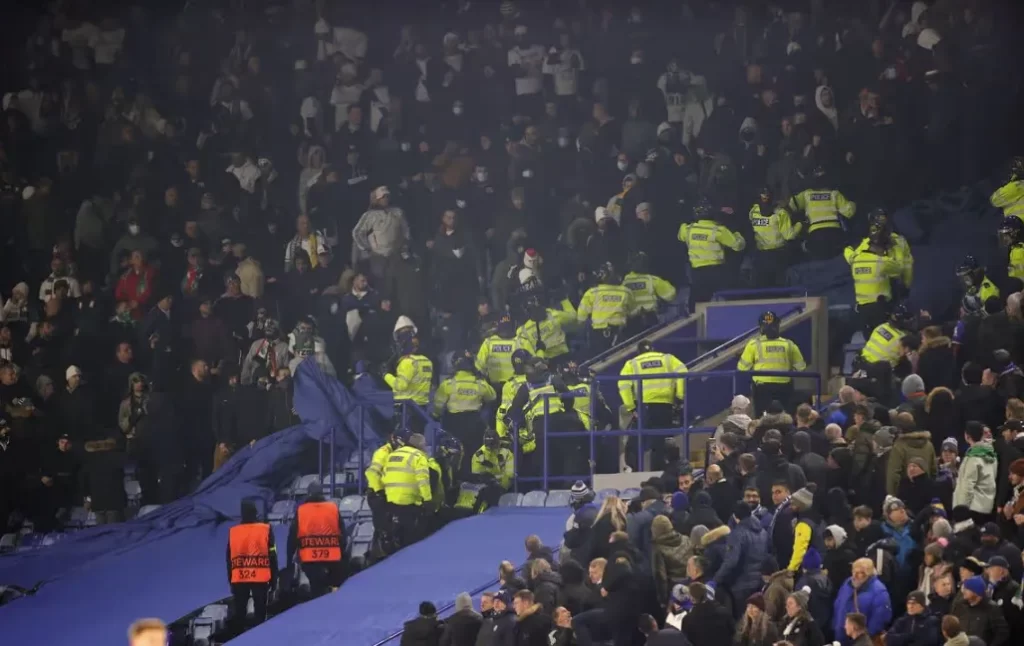
The punitive measure follows a series of incidents during Legia Warsaw‘s participation in European tournaments, including reported instances of pyro-technics, crowd disturbances, and confrontations with local authorities. According to sports analyst Maria Kowalska, a specialist in football governance at the European Institute for Sports Studies, “The disciplinary committee reviewed evidence from multiple matches and concluded that the club failed to maintain adequate control over its supporter base during away games. This marks one of the stricter penalties seen in recent years for non-violent but persistent misconduct.”
The ban specifically applies to UEFA-sanctioned away matches, meaning Legia fans will be absent from stadiums across Europe for the next five continental trips. Home supporters, however, remain unaffected, provided they adhere to standard regulations during matches played at the club’s home ground.
Timeline of Events Leading to the Suspension
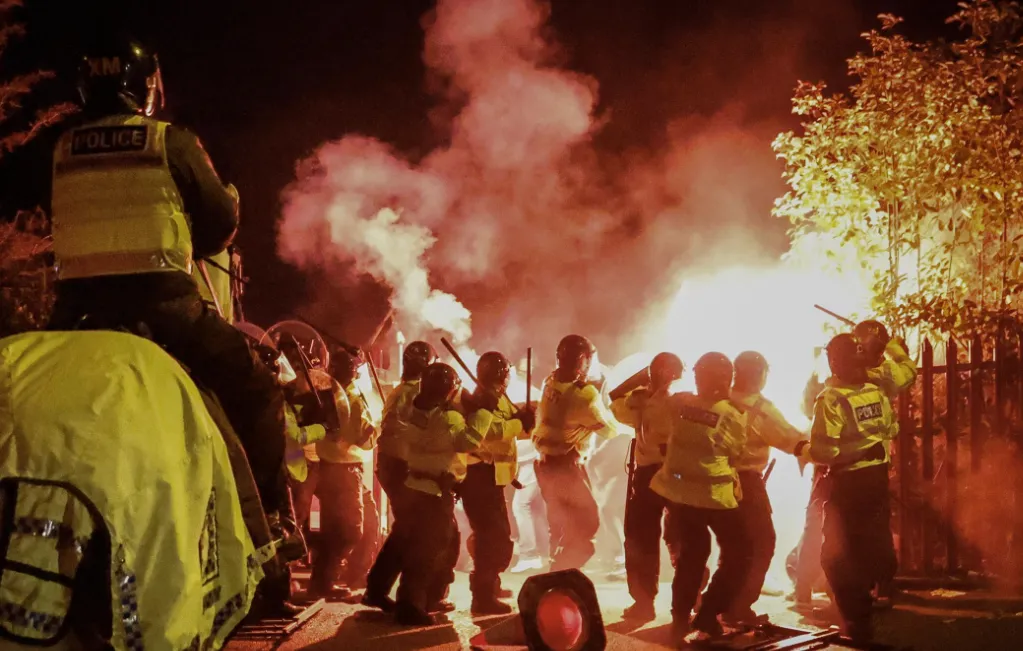
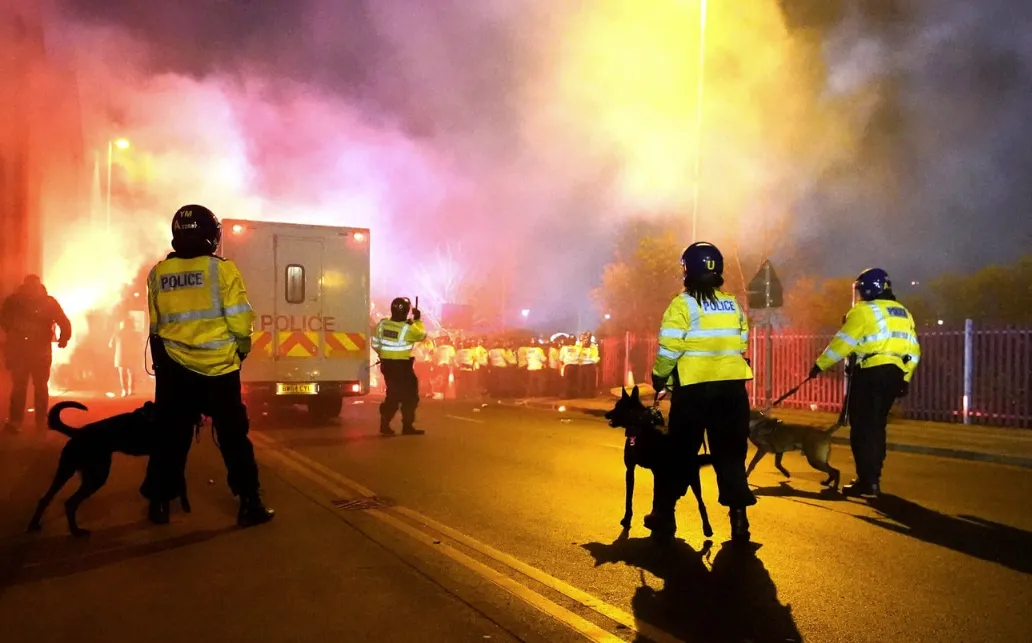
To understand the severity of this punishment, it’s essential to look back at the chain of incidents. In September 2024, during a Europa Conference League match against a Swiss opponent, Legia supporters were filmed throwing objects onto the pitch and lighting flares, causing a temporary halt in play. Subsequent matches in November and December saw similar behavior, escalating tensions with local police in host cities. The final straw came during a knockout phase match in early 2025, where disturbances led to property damage near the visiting stadium.
Impact on Legia Warsaw’s Season and Fan Culture
What This Means for the Club’s European Campaign
The absence of vocal away support will undoubtedly affect team morale and performance. Legia Warsaw, one of Poland’s most decorated clubs, relies heavily on its passionate fanbase to create an intimidating atmosphere for opponents. Coach Marek Papszun expressed disappointment in a recent press conference, stating, “We understand the need for discipline, but our fans are our twelfth player. Traveling to hostile environments without them will be a challenge we must overcome through tactical discipline and mental resilience.”
From a financial perspective, the club may also face reduced revenue from ticket allocations for away matches, though this is minimal compared to broadcasting and sponsorship deals. More critically, the ban could harm the club’s brand value, particularly among international partners who value fan conduct as part of their association with European football.
Broader Implications for Polish Football
This incident places Polish football under increased scrutiny from European governing bodies. Similar bans have been imposed on clubs from other nations, including Italy and Turkey, but Poland now joins this list, potentially affecting future allocations for Polish teams in UEFA competitions. “The reputation of Polish football is at a crossroads,” warns Dr. Jan Nowak, a sports sociologist at the University of Warsaw. “While domestic leagues have made strides in improving safety, these incidents at European level undo years of progress. The Polish Football Association must now work closely with Legia to implement stricter supporter education programs.”
UEFA’s Stance on Fan Misconduct and Future Prevention
How UEFA Enforces Discipline Across Europe
UEFA has consistently demonstrated a zero-tolerance policy toward fan misconduct, with penalties ranging from fines to stadium closures and fan bans. The governing body’s disciplinary regulations outline specific sanctions for various offenses, including the use of flares, discriminatory chants, and pitch invasions. In recent years, the trend has shifted toward collective punishment, holding clubs responsible for their supporters’ actions even when the club itself has taken preventive measures.
According to UEFA’s official statement, “The decision reflects the seriousness with which we view repeated violations of safety and security standards. Clubs must implement robust measures to prevent such behavior, including pre-match briefings, enhanced stewarding, and cooperation with local authorities.”
Lessons for Clubs and Fans Moving Forward
For Legia Warsaw, the path forward involves enhancing communication with supporter groups and investing in fan liaison programs. The club has already announced plans to introduce mandatory fan ID verification for away travel and to partner with the “Football Supporters Europe” organization for educational workshops. Fans, too, must recognize their role in representing their club and country abroad, balancing passionate support with respect for local laws and regulations.
As one anonymous ultra group member shared with local media, “We love our club more than anything, but we also understand that actions have consequences. This ban hurts, but it’s a wake-up call for us to rebuild trust with UEFA and show that Polish fans can be among the best in Europe.”
Conclusion: Legia Warsaw Fans Face Extended Ban from European Away Matches – A Turning Point for Polish Football Discipline
The decision to ban Legia Warsaw fans from the next five European away games serves as a stark reminder of the consequences of unchecked supporter behavior. While the immediate impact will be felt on the pitch, the long-term implications stretch far beyond individual matches, affecting club finances, national football reputation, and the broader culture of fan engagement. For Mcw readers who follow European club competitions, this case highlights the delicate balance between passionate support and responsible conduct.
As Legia Warsaw navigates this challenging period, the football community watches closely. Will this ban lead to meaningful reform in Polish fan culture? Or will it become another chapter in an ongoing cycle of misconduct and punishment? Share your thoughts in the comments below—have you experienced similar fan issues at matches you’ve attended? We’d love to hear your perspective. Don’t forget to subscribe to our newsletter for more in-depth analysis of football’s biggest stories and explore our other articles on European football governance and fan culture.
