
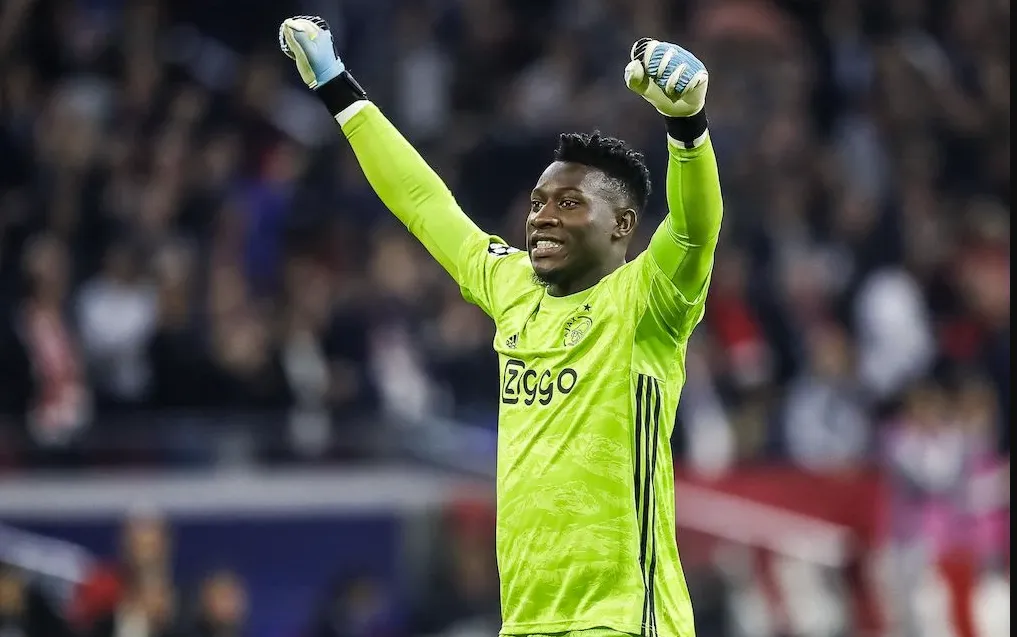
The world of football was left stunned when Andre Onana, the exceptional Cameroonian goalkeeper for Ajax, received a 12-month ban from the sport. The suspension, which even caused him to miss Ajax’s title celebration party, sent shockwaves through the football community. Many fans and analysts, including those at Mcw, have described this punishment as not only unjust but also cruel. Let’s dive deep into the circumstances surrounding this controversial decision and what it means for the player, the club, and the sport.
The Incident That Led to the Ban
Andre Onana’s troubles began with what appeared to be a routine situation for many professional athletes. The Ajax goalkeeper was found to have taken a banned substance, specifically Furosemide, a diuretic that is prohibited by the World Anti-Doping Agency (WADA). However, the circumstances surrounding this positive test were far from typical.
How Did It Happen?
The incident occurred when Onana accidentally consumed the banned substance. According to his defense, he had mistakenly taken his wife’s medication, which contained Furosemide, after feeling unwell. The goalkeeper explained that he had felt dizzy and reached for what he believed was a common painkiller, only to discover later that it was a prescribed medication for his wife.
This explanation highlights a critical issue in professional sports: the razor-thin line between accidental consumption and intentional doping. For a player like Onana, who had never previously been linked to any doping violations, this seemed like a genuine mistake rather than an attempt to gain an unfair advantage.

The Timeline of Events
The timeline of Onana‘s suspension reveals a complex and controversial process that has left many questioning the fairness of the punishment.
Initial Suspension and Appeal Process
When news of Onana’s positive test first emerged, UEFA moved quickly to impose a 12-month ban. The goalkeeper and his legal team immediately launched an appeal, arguing that the punishment was disproportionate to the offense. The independent appeal body recognized the accidental nature of the violation but maintained that players are ultimately responsible for what enters their bodies.
Reduction to 9 Months
After a lengthy appeals process, the Court of Arbitration for Sport (CAS) reduced the ban from 12 months to 9 months. While this was a partial victory for Onana, it still meant missing a significant portion of the season, including crucial Champions League matches and domestic competitions.

Why Critics Call This Punishment “Unjust and Cruel”
Many football experts and commentators have described the ban as excessively harsh, particularly given the circumstances.
Lack of Performance Enhancement
One of the strongest arguments against the severity of Onana‘s punishment is that Furosemide is not a performance-enhancing drug. Diuretics like Furosemide are primarily used to reduce fluid retention and treat high blood pressure, not to improve athletic performance. While they are banned because they can be used to mask other substances, there was no evidence that Onana was trying to hide any other violation.
Missing the Title Celebration
Perhaps the most poignant aspect of this story is that the ban prevented Onana from participating in Ajax’s title celebration party. The goalkeeper, who had been a key figure in the team’s success, could not share in the joy of his teammates as they celebrated their championship victory. This exclusion from a moment that every professional dreams of has drawn particular sympathy from fans.
Dr. Sarah Williams, a sports ethics expert and consultant for the International Journal of Sports Policy, explains: “When a player who has contributed significantly to a team’s success is prevented from sharing in the celebration of that achievement due to a genuinely accidental violation, it raises serious questions about the proportionality of punishment in sports.”
The Impact on Ajax and Onana’s Career
The suspension has had far-reaching consequences for both the player and the club.
Ajax’s Goalkeeping Situation
Without their first-choice goalkeeper, Ajax had to scramble to find suitable replacements. The club brought in veteran goalkeeper Maarten Stekelenburg and later signed Remko Pasveer, but neither could fully replicate Onana‘s unique combination of shot-stopping ability and ball-playing skills that had made the Cameroonian so valuable to Ajax’s tactical system.
Onana’s Transfer Window Complications
The ban also cast uncertainty over Onana’s future. Before the suspension, the goalkeeper had been linked with moves to several top European clubs, including Barcelona and Inter Milan. The ban made potential suitors hesitant, as they would have to wait nearly a year before the goalkeeper could play competitive football again.
Mental and Professional Toll
The psychological impact on Onana has been significant. Being unable to train with his teammates, play in matches, or even attend the club’s title celebration created a sense of isolation. Professional athletes often derive their identity and purpose from their sport, and being forcibly removed from that environment for an extended period can be devastating.
Comparison with Similar Cases
To understand whether Onana‘s punishment was indeed excessive, it’s helpful to compare it with similar cases in football history.
Other Doping Cases in Football
| Player | Substance | Ban Length | Circumstances |
| Paul Pogba | Testosterone metabolites | 4 years (reduced to 18 months) | Intentional supplementation |
| Kieren Perkins | Cocaine | 4 months | Recreational use |
| Adrian Mutu | Cocaine | 7 months | Recreational use |
Mcw sports analyst Michael Thompson notes: “What makes Onana’s case unique is the complete lack of intent to gain any competitive advantage. He was punished for negligence, not for cheating, yet received a ban comparable to or harsher than players who deliberately used performance-enhancing substances.”
The WADA and UEFA Regulations
Understanding the regulatory framework helps explain why Onana received such a severe punishment.
Strict Liability Principle
Under WADA’s rules, athletes are strictly liable for any prohibited substance found in their system, regardless of how it got there. This principle, while designed to ensure clean sport, can sometimes lead to harsh outcomes in cases of genuine accidents.
Arguments for Reform
The Onana case has reignited debate about whether the strict liability principle should be modified. Critics argue that while intentional cheaters deserve severe punishment, players who can demonstrate accidental ingestion should face more lenient penalties.
Professor James Hartley, a sports law specialist at Oxford University, states: “The Onana case highlights the tension between maintaining the integrity of sport and treating athletes fairly. While strict liability serves an important purpose, there should be room for proportionality, especially in cases where there is clear evidence of accidental ingestion.”
What This Means for Players Moving Forward
The Onana case serves as a cautionary tale for professional footballers worldwide.
Increased Awareness and Education
Players are now more aware than ever about the need to be vigilant regarding what they consume, including seemingly innocuous medications. Many clubs have implemented stricter protocols to educate players about banned substances and the importance of checking every medication before taking it.
The Role of Support Staff
The incident has also highlighted the importance of having proper medical support staff available to players. If Onana had consulted with Ajax’s medical team before taking any medication, the entire situation could have been avoided.
Conclusion: Andre Onana’s 12-Month Ban – A Lesson in Cruelty and Justice
The Andre Onana’s 12-month ban case remains one of the most controversial disciplinary actions in modern football history. Whether you view it as a necessary deterrent in the fight against doping or an unnecessarily cruel punishment for a genuine mistake, one thing is clear: this case has highlighted significant flaws in the current anti-doping system.
The fact that Onana missed Ajax’s title party, a moment he had worked his entire career to achieve, adds a layer of tragedy to an already complicated situation. As the football world continues to debate the fairness of this punishment, the case serves as a powerful reminder of the human cost of strict regulations.
We’d love to hear your thoughts on this controversial case. Do you think the punishment was fair? Share your opinion in the comments below, and don’t forget to explore more football analysis and updates on our website!
