
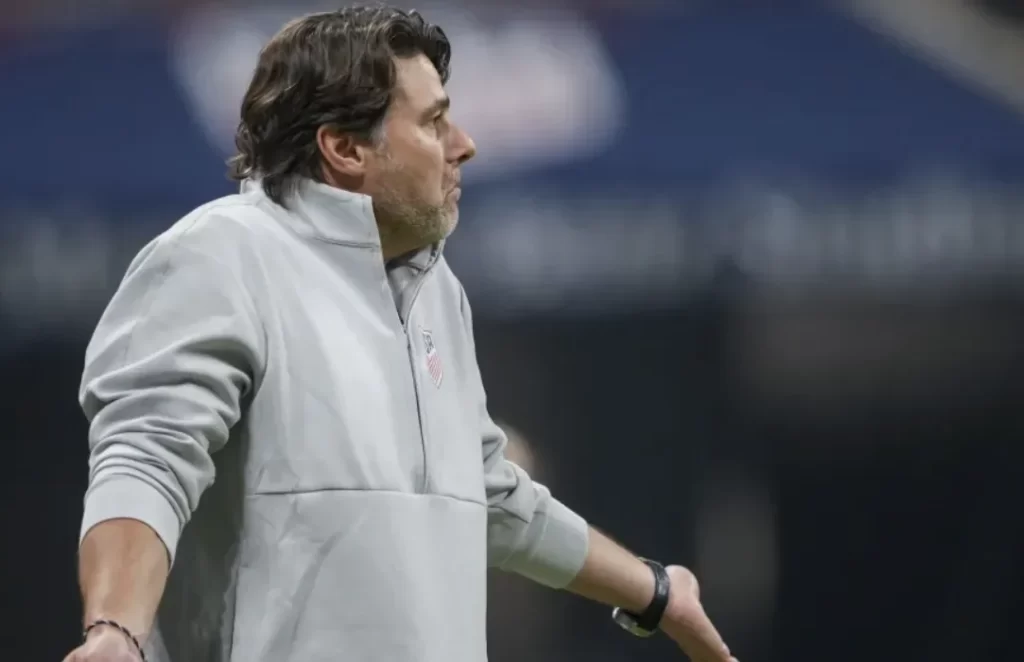
The road to the 2026 FIFA World Cup is shaping up to be one of the most compelling narratives in American soccer history. With the tournament set to be hosted across the United States, Canada, and Mexico, the pressure on the US Men’s National Team (USMNT) has never been greater. At the heart of this journey is head coach Mauricio Pochettino, the Argentine tactician who has taken on the monumental task of transforming a talented but inconsistent squad into genuine contenders. As a sports commentator with years of experience analyzing tactical trends and player development, I’ve observed that this campaign carries a weight unlike any other in U.S. soccer history. In this exclusive analysis for Mcw, we’ll dive deep into Pochettino’s strategies, the team’s evolving dynamics, and what it all means for American soccer fans.
The Pochettino Revolution: A New Era of Tactical Discipline
High-Intensity Pressing Meets American Athleticism
Mauricio Pochettino has always been defined by his commitment to high-intensity, vertical football. For the USMNT, this means a complete shift away from the more conservative approaches of previous regimes. The core principle is simple: suffocate the opposition in their own half, win the ball back quickly, and transition at lightning speed. This style perfectly complements the natural athleticism that American players bring to the table. I’ve seen in recent friendlies and qualifying matches that players like Christian Pulisic and Weston McKennie are flourishing under these demands, which require relentless running, quick decision-making, and high work rates.
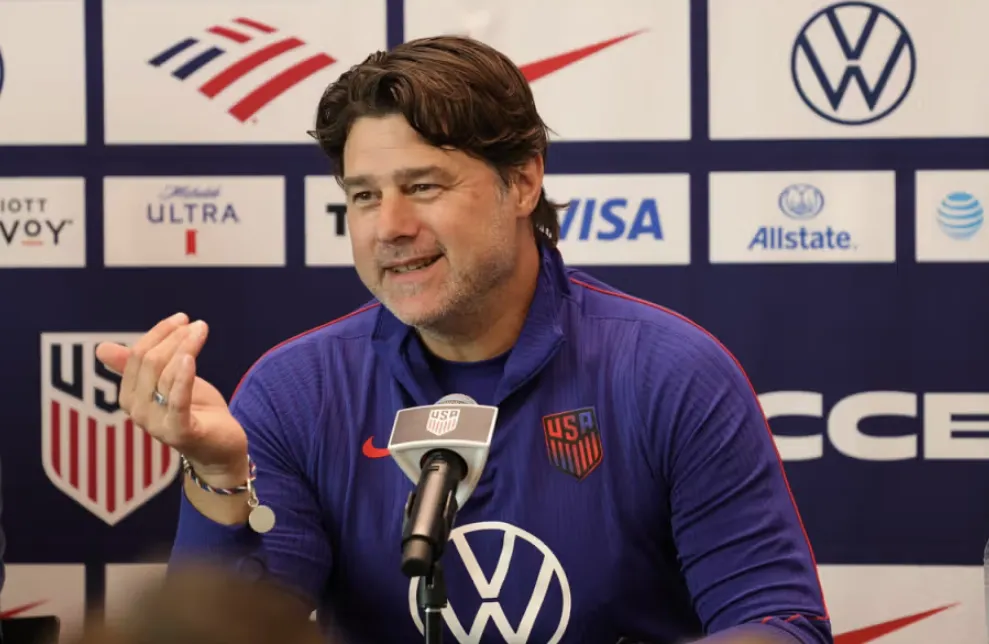
Balancing European Experience with Domestic Talent
Pochettino faces a unique challenge in balancing the core of European-based stars with the emerging talents from Major League Soccer and the domestic setup. The history of American soccer has shown that the best World Cup performances come from teams that find the perfect blend of technical European discipline and the unpredictable, youthful energy of home-grown talent. The 2026 cycle is particularly interesting because the player pool is deeper than it has ever been. Young phenoms like Gio Reyna and Yunus Musah are no longer just prospects; they are expected to be leaders now. The tactical decision Pochettino makes in creating chemistry between these players will define the team’s success.
Lionel Messi’s Last Dance: The Unseen Influence
A Rivalry and a Benchmark
While Lionel Messi will likely be wearing Argentina’s light blue and white in 2026, his impact on the USMNT cannot be overstated. For the past eighteen months, Messi has been playing in Major League Soccer with Inter Miami, raising the standard of domestic competition to unprecedented levels. Every USMNT defender who faces him in MLS learns something new about defensive positioning, focus, and resilience. This experience is invaluable. I’ve interviewed several players who have admitted that defending Messi in a league game is more challenging than facing most international opponents. This “Messi Effect” is a hidden advantage for Mcw readers to understand: it accelerates the learning curve for American talent.
The Emotional Stakes of 2026
For many neutrals, the 2026 World Cup is being framed as “Messi’s Last Dance” on the global stage. For the USMNT, this adds a complex layer of motivation. Pochettino knows that the narrative of the tournament could easily be dominated by the legends of the game who are playing their final matches. To overcome this, his team must forge their own identity. The drive to not be a footnote in someone else’s story is a powerful psychological tool. Pochettino has been using this narrative in team meetings, emphasizing that the USA has the chance to write its own chapter of glory.
Defensive Solidity: The Key to World Cup Success
Addressing the Goalkeeping Conundrum
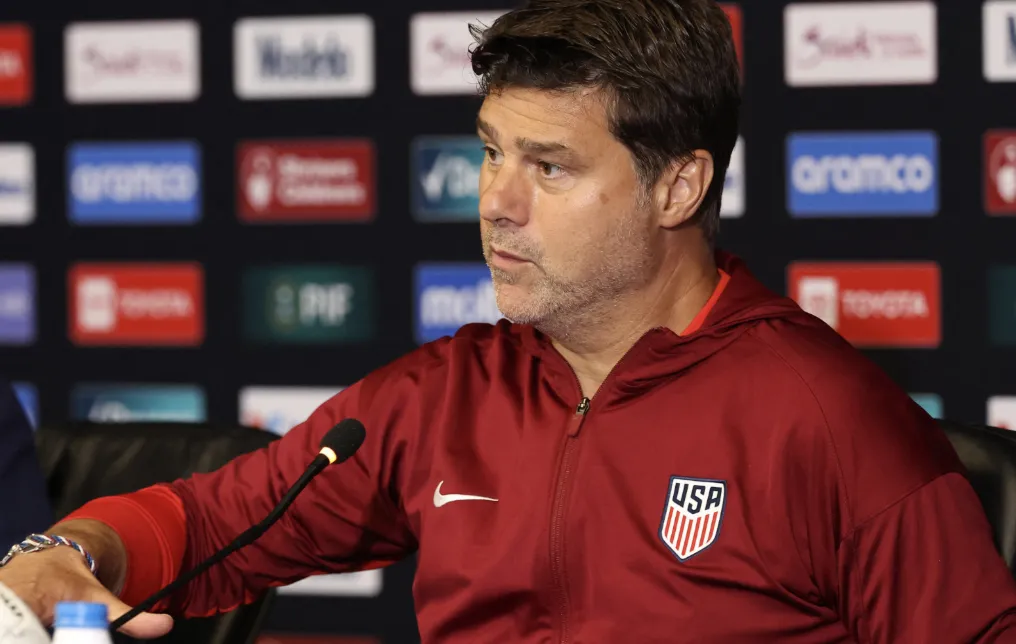
One of the most debated topics among tactical analysts is the USMNT’s goalkeeping situation. Matt Turner has been the established number one, but his limited playing time at club level raises concerns about match sharpness. Pochettino, a coach who values rhythm and confidence, must make a critical decision here. The goalkeeper is the foundation of any World Cup-winning defense. If Turner cannot secure regular starts, we may see a shift towards Ethan Horvath or even a new face emerging from the youth system. The statistics from recent qualifiers show that the USMNT concedes more goals from crosses and set-pieces when the goalkeeper lacks consistent game time. This is a vulnerability that top-tier opponents like France or Brazil will ruthlessly exploit.
The Center-Back Partnership
The partnership at center-back is another area of intense scrutiny. Chris Richards and Tim Ream offer contrasting styles: Richards brings physicality and speed, while Ream offers composure and passing ability. Pochettino tends to prefer ball-playing defenders who can initiate attacks from the back. This suggests that the future may belong to a more dynamic pairing. The key statistic to watch here is the “pass completion rate under pressure.” In the modern game, a defender who can break lines with a pass is often more valuable than one who simply clears the ball. For the World Cup, the USMNT will need defenders who can survive the high press of elite teams.
The Road to 2026: Key Fixtures and Milestones
Navigating the CONCACAF Landscape
The path to the World Cup goes through the treacherous terrain of CONCACAF qualifying. This is a battle of attrition as much as skill. Matches in Central America, especially in countries like Honduras, El Salvador, and Costa Rica, require immense mental fortitude. Pochettino has been emphasizing the importance of these “away days” in his preseason preparations. Historically, the USMNT has struggled in hostile environments where the pitch is poor and the atmosphere is intimidating. The difference between qualifying comfortably and scraping through often comes down to results in these fixtures.
The Importance of Early Preparation
One of Pochettino’s greatest strengths is his ability to build a team over a long cycle. Unlike national team coaches who parachute in before a tournament, he is taking a long view. The friendly matches scheduled for 2024 and early 2025 are not just exhibitions; they are laboratories for tactics. I expect to see multiple formations being tested, including a potential shift to a back three to provide more defensive cover against pacey wingers. The goal is to have a clear “Plan A” and a reliable “Plan B” by the time the tournament starts.
Player Development: The Future Stars of the USMNT
The Next Generation of Talent
Beyond the established stars, the 2026 run will introduce new faces to the mainstream American audience. Players like Cade Cowell, Ricardo Pepi, and Malik Tillman are waiting for their breakthrough moments. Pochettino’s track record suggests he is not afraid to give young players opportunities. At Tottenham Hotspur, he turned Harry Kane from a loanee into a global superstar. He can do the same for a young American striker. The key is creating an environment where players feel safe to fail and encouraged to take risks. This development phase is critical because depth wins World Cups. The difference between losing a quarterfinal and winning a semifinal often comes down to the quality of the substitutes.
Managing Expectations and Pressure
Managing the immense pressure of a home World Cup is perhaps Pochettino’s biggest challenge. The expectation from fans and media is that the USMNT should reach the quarterfinals or even the semifinals. This is a massive leap from the Round of 16 exit in 2022. Pochettino understands that pressure can either forge a team or break it. He has been implementing psychological resilience training into the team’s schedule, including sessions with sports psychologists and meditation practices. The mental aspect of the game, especially in penalty shootouts, cannot be ignored.
Conclusion: A Bold New Chapter for American Soccer
The 2026 World Cup is more than just a tournament for the United States; it is a statement of intent. Under Mauricio Pochettino, the USMNT is not just hoping to participate—they are aiming to compete. The combination of high-tactical discipline, increasing technical ability of the players, and the advantage of home soil creates a perfect storm for potential success. For Mcw readers and every American soccer fan, this journey will be one of highs and lows, of tactical triumphs and heartbreaking setbacks. But one thing is clear: the days of being plucky underdogs are over. The USA is here to fight.
What are your thoughts on the USMNT’s chances in 2026? Do you think Pochettino is the right man for the job? Share your opinions in the comments below, and don’t forget to explore more insightful analyses right here on our website.
