
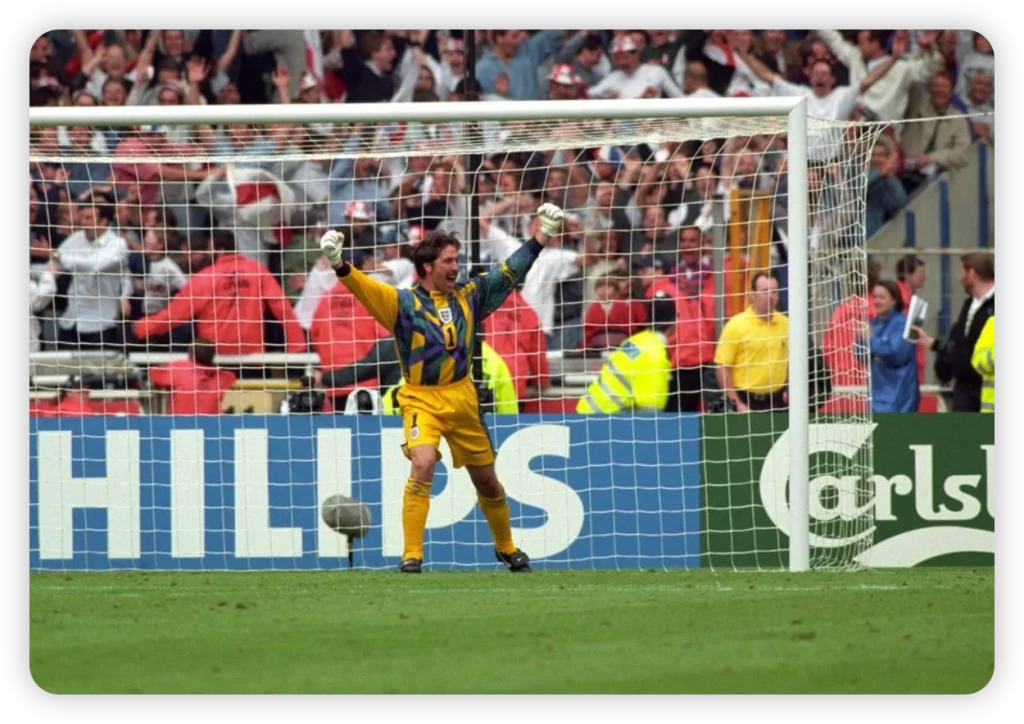
The world of football punditry is often quick to condemn, but sometimes the most vocal critics are those who should remember their own past missteps. The recent call from England legend Peter Shilton for David Seaman to retire after his error against Macedonia has sent shockwaves through the fanbase, but a closer look at history reveals a fascinating and almost identical parallel.
This isn’t just about one mistake; it’s about the selective memory that can sometimes cloud analysis. At Mcw, we dive deep into the archives to provide context and a richer understanding of the beautiful game’s most dramatic moments.
The Modern Mistake: Seaman’s Macedonian Misfortune
The incident that sparked the debate was a moment of pure anguish for any goalkeeper. During a tense qualifier, a seemingly innocuous corner kick from Macedonia’s Artim Sakiri curled with unexpected dip and swerve, floating over a slightly off-his-line David Seaman and nestling directly into the top corner of the net. It was a goal that stunned the stadium and immediately drew comparisons to another famous Seaman error.
For a keeper of Seaman’s caliber, a veteran with 75 caps for England, it was a brutal blow. This came on the heels of his high-profile mistake in the 2002 World Cup quarter-final, where he was caught out by Ronaldinho’s audacious, looping free-kick against Brazil. The narrative of a great goalkeeper in decline began to solidify in the media, with Shilton becoming one of its most prominent voices.
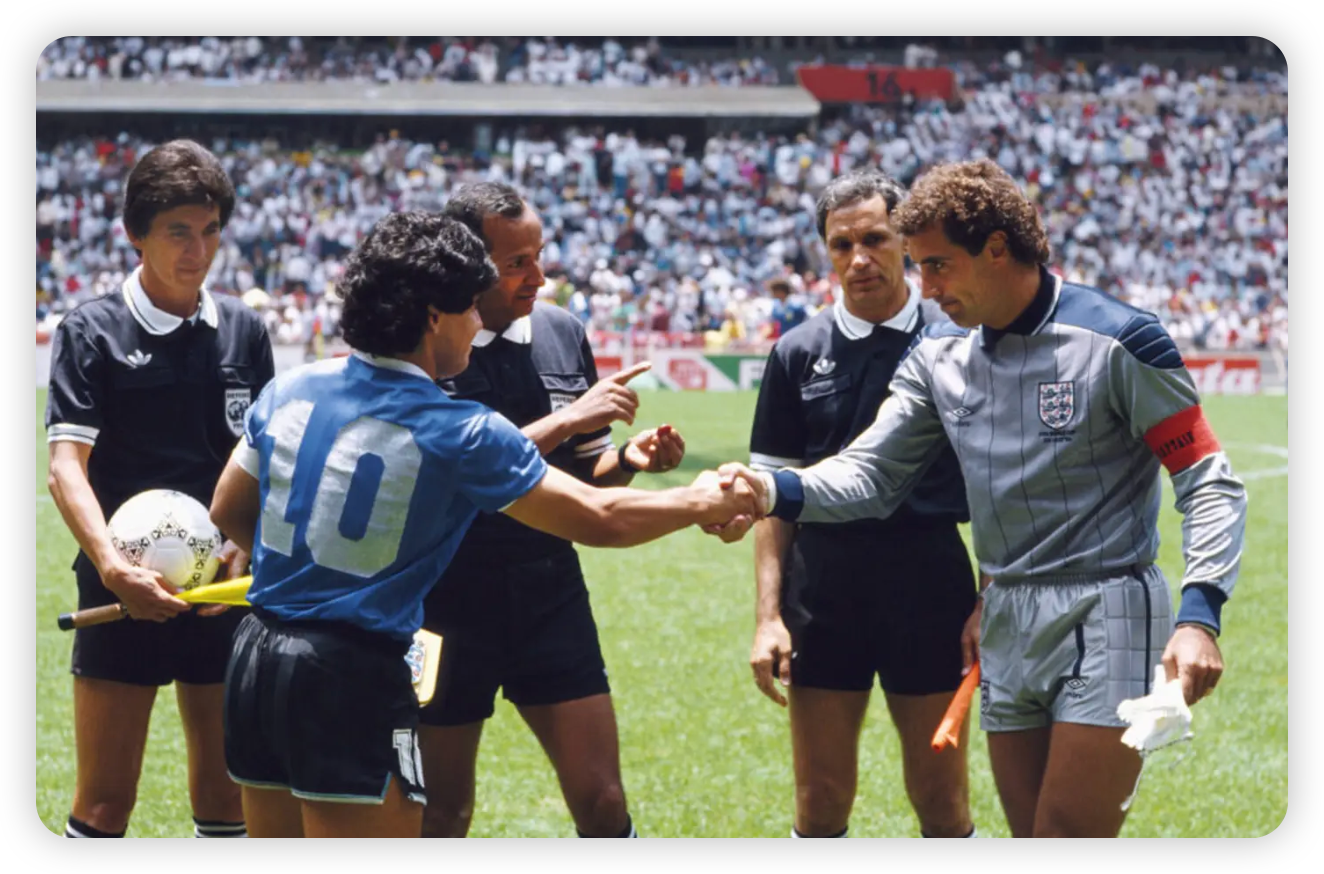
A Blast from the Past: Shilton’s Own Ghost
What makes Shilton‘s criticism so intriguing is its lack of historical self-awareness. While urging Seaman to hang up his gloves, Shilton appears to have overlooked a nearly identical chapter from his own illustrious career.
The year was 1987. England, with the 38-year-old Peter Shilton in goal, faced West Germany in a friendly in Düsseldorf. In a mirror image of the future, German maestro Pierre Littbarski whipped a corner kick towards the near post. The ball sailed over the stranded Shilton and dipped viciously under the crossbar, finding the net in a carbon copy of Seaman’s misfortune.
Pierre Littbarski’s in-swinging corner led to Peter Shilton’s memorable error against West Germany in 1987.
This was no minor friendly blunder; it was a significant goal in a 3-1 defeat. Shilton, an undeniable legend and England’s most-capped player, was human after all. For him to so fervently criticize Seaman for a replica mistake seems, to many fans and pundits at Mcw, a classic case of forgetting one’s own history.
The Goalkeeper’s Curse: Age and Perception
The position of goalkeeper is uniquely cruel. Outfield players can miss sitters or make errant passes, but a keeper’s mistake is almost always fatal, leading directly to a goal and being frozen in time on highlight reels. This analysis is compounded when age becomes a factor.
Both errors occurred when the keepers were at a veteran stage of their careers. Shilton was 38; Seaman was 39. This naturally leads to questions about reflexes, positioning, and the ability to react to unexpected trajectories. However, as football analyst Mark Thompson notes, “Using a single error to define a keeper’s entire capability is a dangerous game. The best keepers in the world, across all eras, have all had moments they’d rather forget. It’s the response that defines them.”
Shilton’s own career ended after a major tournament, the 1990 World Cup, but his final act was also a controversial goal conceded—Andreas Brehme’s deflected free-kick in the semi-final loss to West Germany. His call for Seaman to retire seems to be a projection of his own career path onto a contemporary.
The Verdict: Eriksson’s Dilemma
Ultimately, the decision on England’s number one jersey rested not with pundits but with then-manager Sven-Göran Eriksson. While public pressure and media narratives can be intense, a manager’s job is to assess form, fitness, and mental fortitude without being swayed by external noise.
Eriksson had months to evaluate his options, including the emerging talents of players like Paul Robinson. The key was to determine if Seaman’s vast experience and proven track record of brilliance outweighed the recent high-profile errors. It was a classic football dilemma: class versus form, experience versus the inevitability of time.
Conclusion: The Unforgiving Nature of Football Memory
Shilton’s Seaman Critique: A Case of the Pot Calling the Kettle Black. The debate surrounding David Seaman’s error is a perfect reminder of football’s unforgiving nature and the short memory it sometimes imposes on its greatest heroes. While Peter Shilton’s standing as an England icon is unassailable, his criticism of Seaman loses significant weight when viewed through the lens of his own identical past mistake.
This episode is less about who should have retired and more about the consistency of critique. Great players are allowed errors; it’s what makes them human. The true measure of a legend is not a flawless record, but how they are remembered for their countless moments of triumph over a long career.
What’s your take on this? Do you think veteran players are held to an unfair standard? Were Shilton’s comments justified, or was it a case of historical amnesia? Share your thoughts and memories of these iconic goalkeepers in the comments below and explore more deep-dive football analysis right here on Mcw.
